The Cloud
that is a joy to use,
built to grow, and always
yours to keep.
Connect a repo and Lucity runs it, with databases, domains, backups and scaling built in. Made in Switzerland, hosted in the EU.
- 14 days free, up to €5 of usage
- No lock-in, leave anytime
Runs what you already write. No Dockerfile needed.
A joy to use ,
from the first push.
From repository to running app in a few clicks, and every change after that is just as quick. Push, ask your agent or script it. It is the same platform underneath.
Push. That was the deploy.
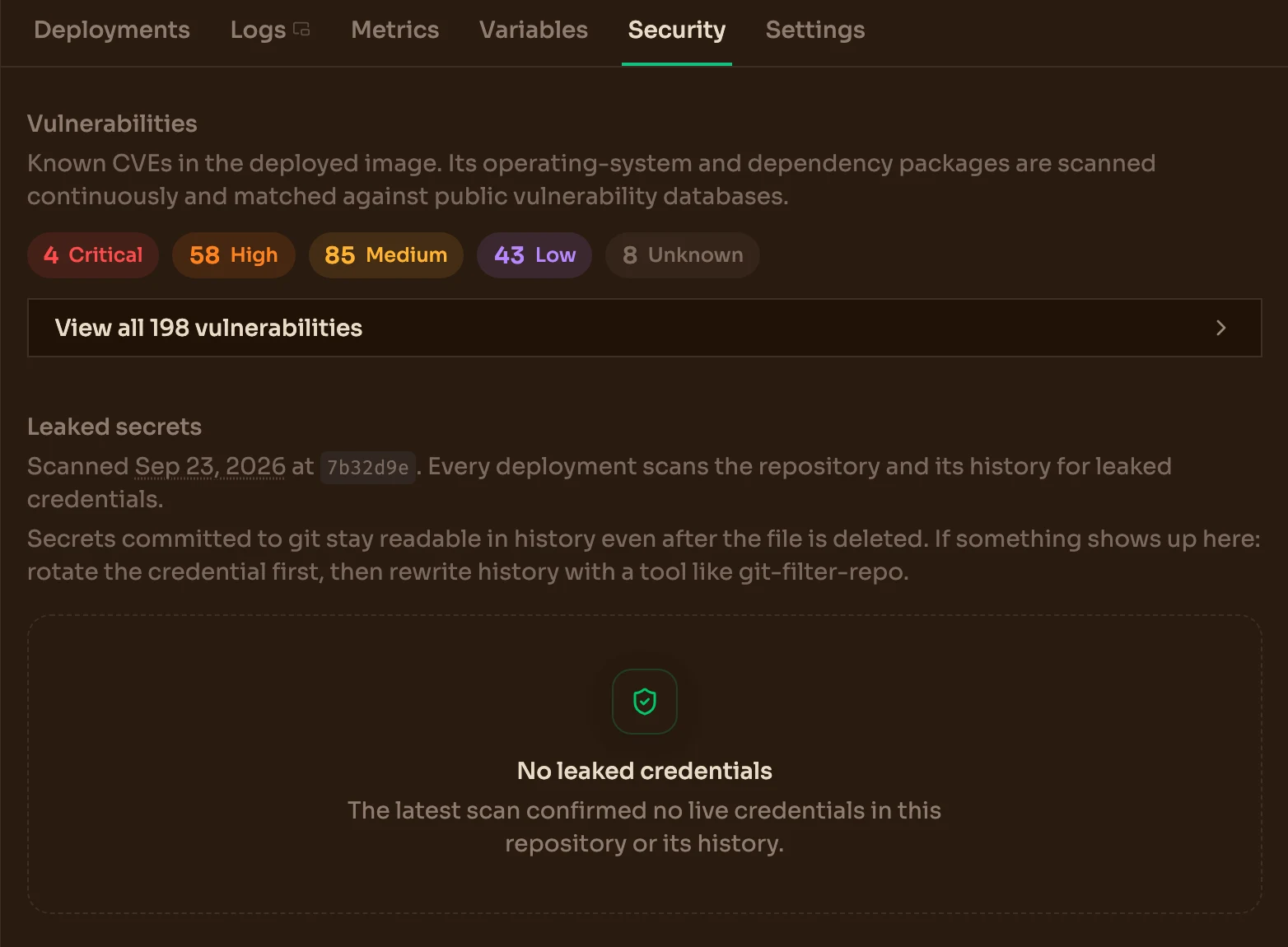
Lucity builds it, scans it for leaked keys and rolls it out with no downtime. Every deployment can be inspected, redeployed or rolled back.
Built to grow ,
well past the prototype.
Add what production needs, when it needs it. Everything lives in the same project and is wired to your services for you.
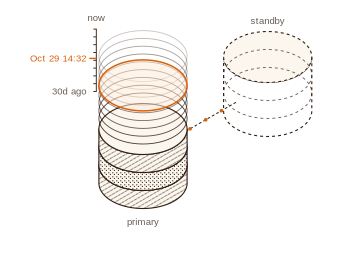
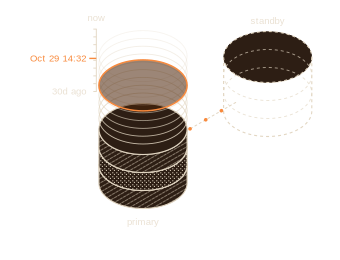
PostgreSQL on two machines with automatic failover. Every write is archived as it happens, so you can restore to any second of the last 30 days.
- Table browser and SQL editor in the dashboard
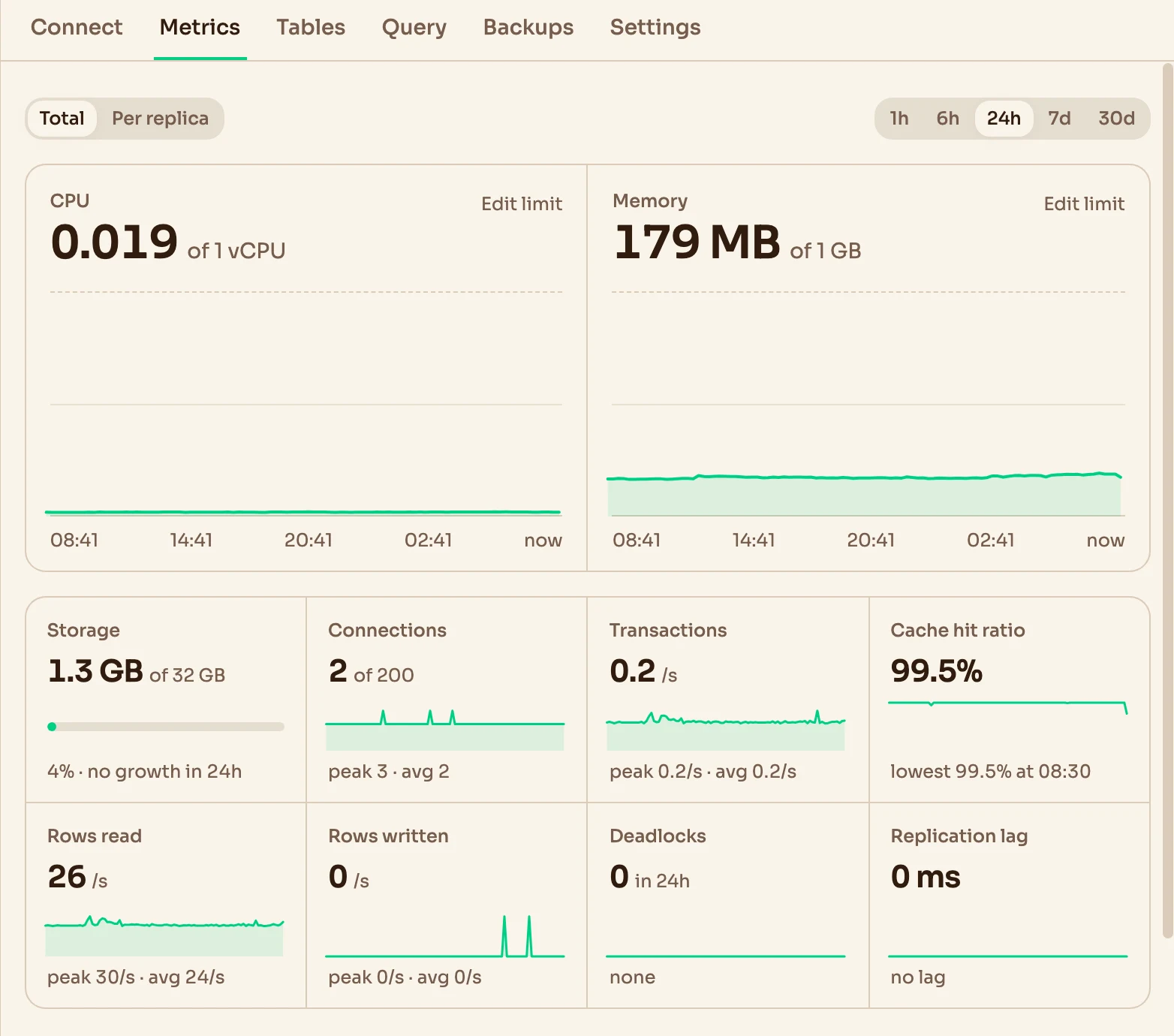
- Metrics, and the queries taking the most time
- Private by default, open only to the addresses you list
- Vector search included
A Redis-compatible store for caches, sessions and queues. S3-compatible buckets for uploads. Volumes for software that writes to disk.
- Credentials are linked into your service, never copied around
- Browse, upload and download files in the dashboard
- Public buckets served from a CDN
- Volumes grow while the service keeps running
Run several instances, with traffic spread across the ones that are ready. Autoscaling adds more as CPU climbs and removes them once it stays calm.
- Up to ten instances per service on Pro
- CPU and memory set separately, changed without a rebuild
- Billed on what your apps actually use
The new version takes traffic once it's healthy, and the old one finishes its requests. A broken deploy never replaces a working one.
- Roll back to a previous deployment
- Development, staging and production as copies of one project
- A failed rollout says why, like out of memory or a crash loop
Your own hostname with two DNS records, shown ready to copy. Visitors connect to a location near them.
- Certificates issued and renewed for you
- example.com itself, not only www
- Redirect an old domain to a new one, keeping the path
Follow every instance live, or search its history, even for instances that are long gone.
- A timeline of log volume, with crashes marked
- Starts, restarts and failed health checks between your own lines
- CPU and memory per service, over time
Also included: team roles, private networking, shared variables, monorepos and an API. See every feature

Comes with every project
Guard rails, on by default.
Nothing to install and nothing to configure, on every plan.
Yours to keep ,
even if you leave.
Every project has an Eject button. You'll probably never use it. We'd rather keep you by being good than by being hard to leave.
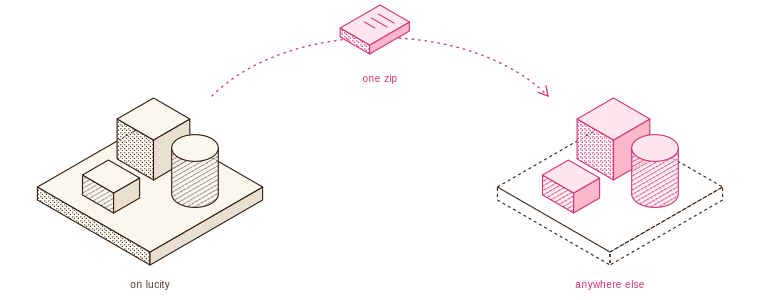
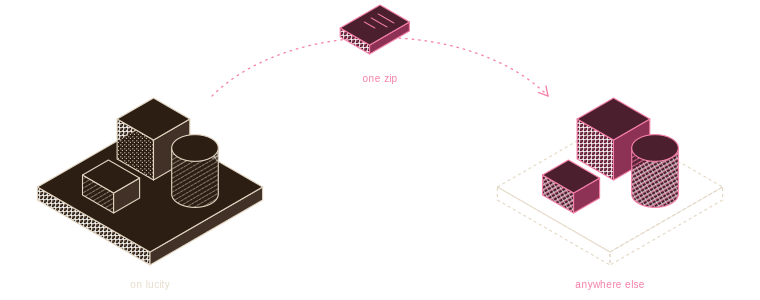
No account, no license key, no call home.
You pay for what your app uses, not for the size you picked.
Plans start at €5 a month, and the fee comes back as usage credit. Pick a setup to see one month of it: what it used, what a fixed plan bills for, and what each comes to.
Two instances with 1 GB each, and a 2 GB PostgreSQL database with a standby and 20 GB of disk.
The same month, billed
An example month at list prices on 10 Nov 2026, with USD converted at 0.82 and traffic left out. The usage is assumed: half of the memory and about 13% of the CPU on average, with one busy day. Fly.io, Heroku and Deploio bill the size you pick, so the closest plan to each size is counted, with a standby database where one is listed.
See pricing and estimate your billComing from Heroku, Vercel, Railway, Render, Fly.io or Coolify? See how Lucity compares.
Recently shipped
Why I built Lucity
In 13 years as a software engineer I've deployed software three ways. Each got one thing right, and each made me give something up.
Copying files to a server under my desk was tedious, but it was truly mine.
Heroku and Vercel shipped my code straight from the repository. A joy to use, paid for with control over my own setup.
Kubernetes ran thousands of containers. Built to grow, and too complicated for anyone who just wants to ship.
I built Lucity to be all three at once.
Deploy your first app, use it for a bit, then write and tell me what you think.


Before you ask
Still wondering about something? Ask us directly
Web apps, APIs and background workers in whatever you write them in: Node.js, Python, Go, PHP, Ruby, Java, Rust, Elixir, .NET and more. Lucity builds them straight from your repository, and it runs any public container image too.
Yes. Databases run on two machines with automatic failover and continuous backups, rollouts happen without downtime, and a failed deploy never replaces a version that works.
Hobby is €5 a month and Pro is €25, and each includes that much usage. Beyond it you pay for the CPU, memory and storage your apps actually use. The first 14 days are free.
In the EU. Apps and databases run in Germany, files and backups in France, and the company behind Lucity is Swiss.
Click Eject. You download your whole setup in a standard format and run it on your own servers or another cloud, without Lucity. Copying your data over is manual work, and the guide walks you through it.
Yes. The whole platform is open source and installs on your own infrastructure, for free.